Oncodrug R&D focuses on underexplored targets of medical importance, with multiple drug discovery assets ranging from small molecules to biologics.
R&D PORTFOLIO
Our Pipeline
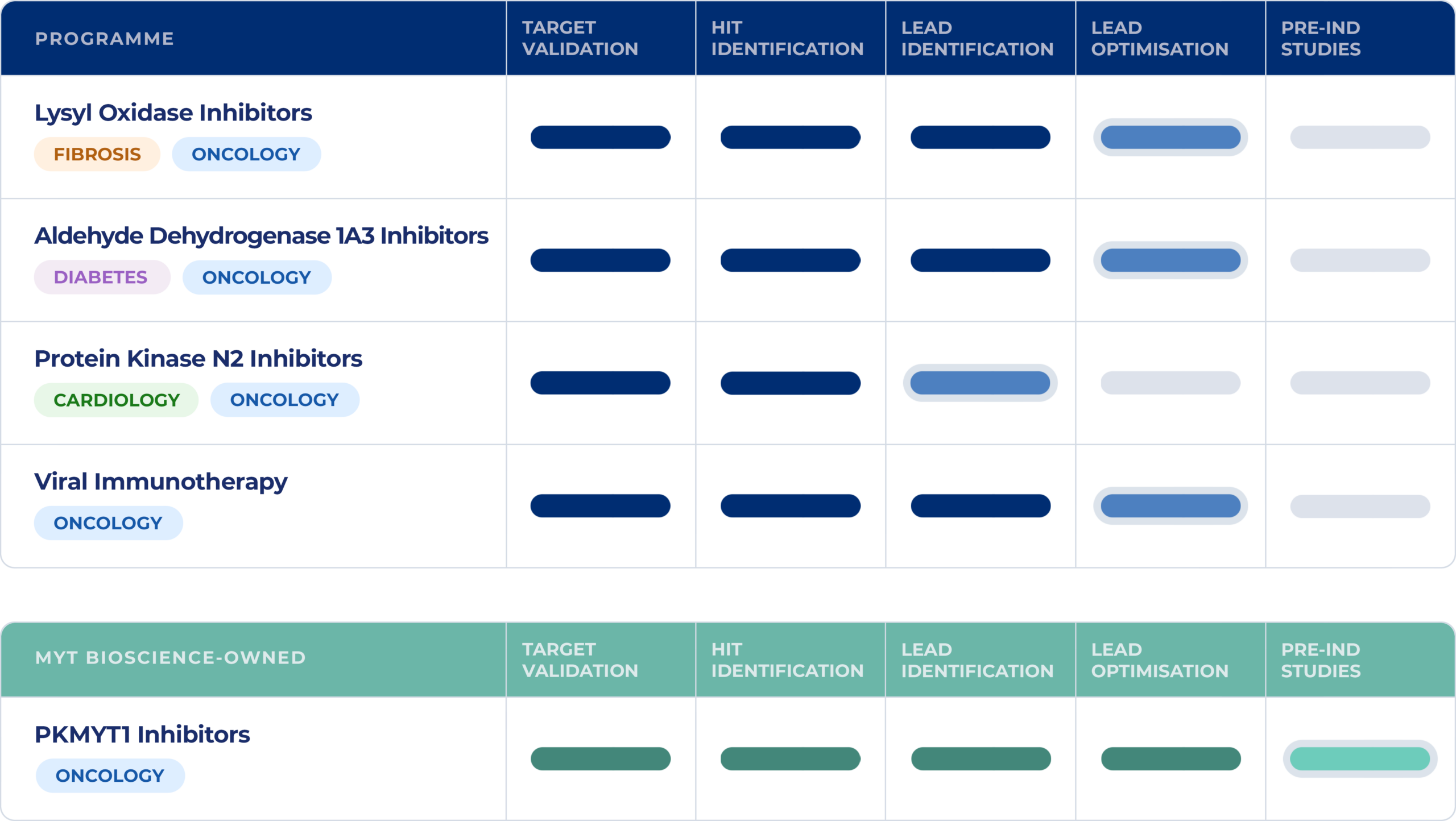
Our best-in-class small molecule inhibitors are orally available and have excellent biochemical (potency, selectivity) and pharmacokinetic profiles:
LysylOxidase (LOX) inhibitors target collagen crosslinking, a key process in the pathogenesis of a wide range of fibrotic diseases and a major driver of cancer treatment resistance.
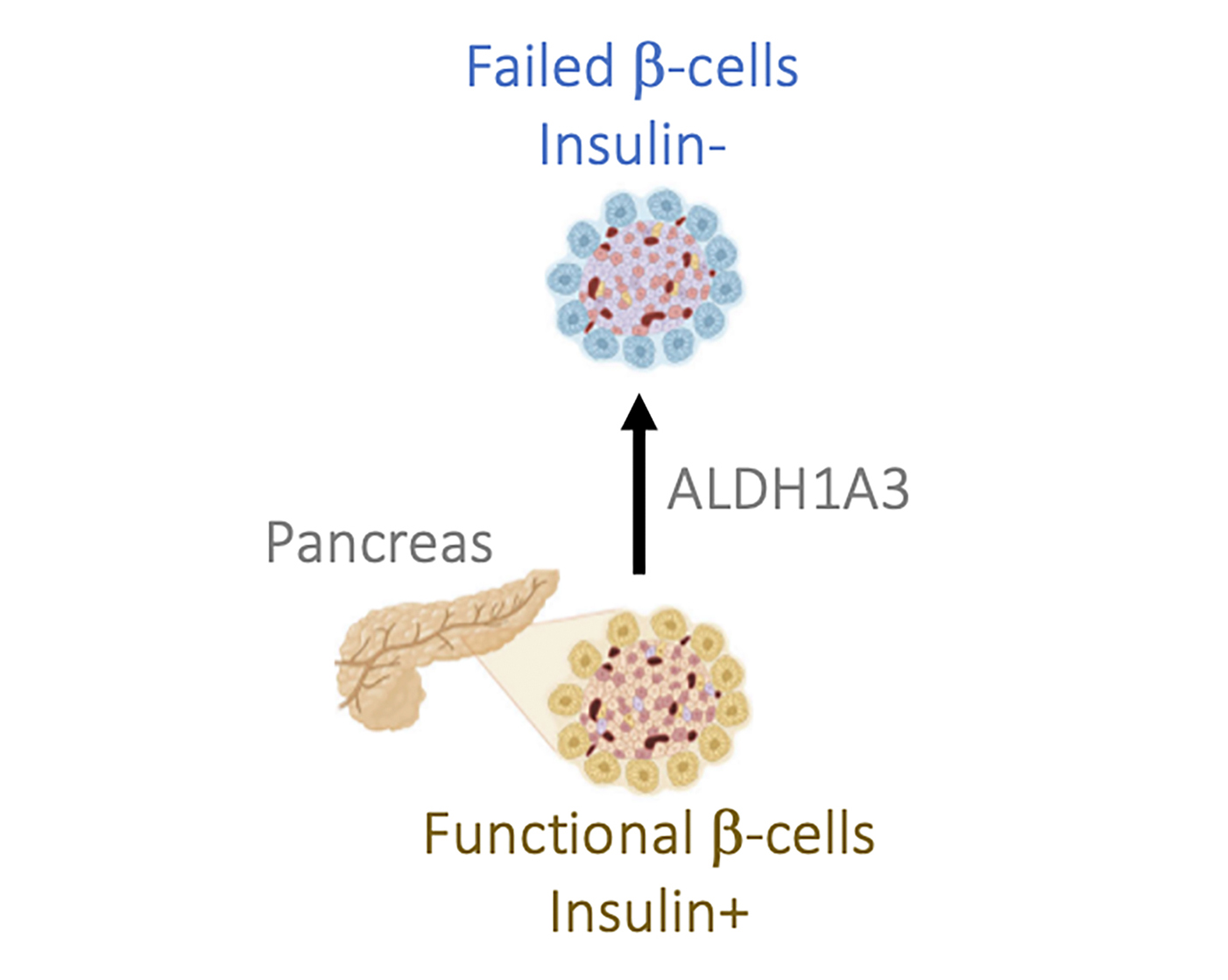
Aldehyde Dehydrogenase 1A3 (ALDH1A3) inhibitors attenuate the retinoic acid receptor pathway to restore pancreatic β-cell function in type II diabetes and to overcome cancer treatment resistance.
Inhibitors of Protein Kinase N2 (PKN2), an exciting novel biological target, overcome RAS and EGFR inhibitors resistance in targeted therapies and are new tools to mitigate heart failure.
Our viral immunotherapy (VI) targets cancers with a unique combination of mechanisms of action.
Chemical matter covering multiple different series derisks the projects and is well-protected by Oncodrug’s patent portfolio.
Our projects strategically focus on therapeutic areas of high unmet needs:
Drug resistance (LOX, ALDH1A3 and PKN2)
Fibrotic mechanisms (LOX and PKN2)
Immune response enhancement (VI and ALDH1A3)
Cardio-metabolic diseases (ALDH1A3, PKN2, LOX)
Click the image above to enlarge
FIBROSIS & ONCOLOGY
Lysyl Oxidase (LOX) Inhibitors
Oncodrug is discovering oral, best-in-class LOX inhibitors as a pioneering treatment for multiple fibrosis indications including liver fibrosis, idiopathic pulmonary fibrosis and myelofibrosis. The antifibrotic nature of these inhibitors can also improve the effectiveness of current cancer treatments.
LOX & its Isoforms LOXLs
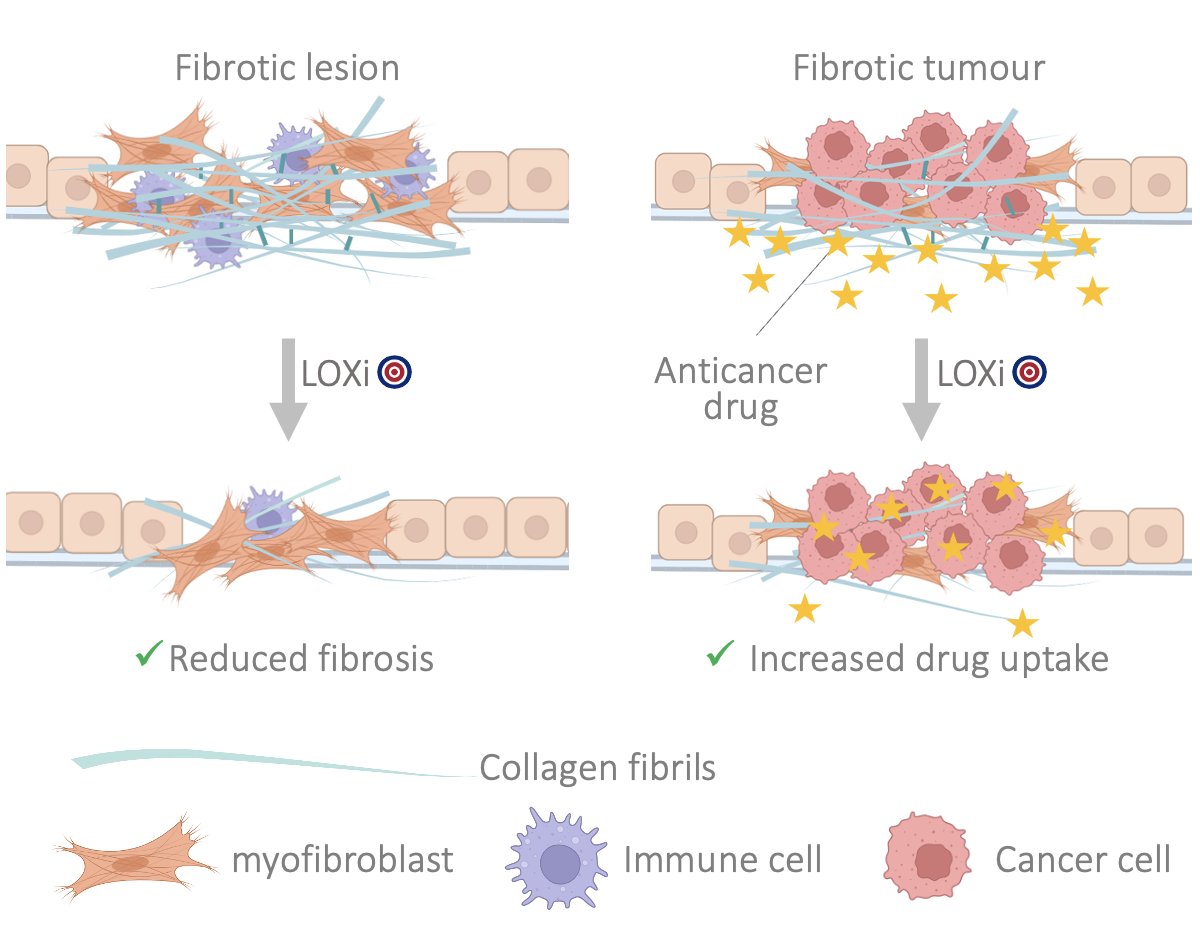
Extracellular matrix (ECM) remodelling – LOX catalyses the crosslinking of collagen and elastin.
Key driver of fibrosis – crosslinked collagen is harder to degrade.
Tumour microenvironment (TME) remodelling – can promote cancer growth and seed metastasis.
Drug delivery barrier – some cancers are highly fibrotic. This fibrotic barrier reduces the effectiveness of chemo-, targeted-, immuno- and radiotherapy.
LOX publications from our scientific team:
Springer et. al. – J. Med. Chem. 2020, 63(5), 2308.
Springer et. al. – J. Med. Chem. 2019, 62(12), 5863.
Oncodrug is discovering selective, oral, best-in-class ALDH1A3 inhibitors as a pioneering treatment in type II diabetes, to restore normal pancreatic cell function, and in oncology to overcome resistance to chemotherapy and immunotherapy and reduce metastasis.
ALDH1A3
Enzyme in nuclear receptor/transcription factor pathway
Drives pancreatic β-cell failure in type II diabetes
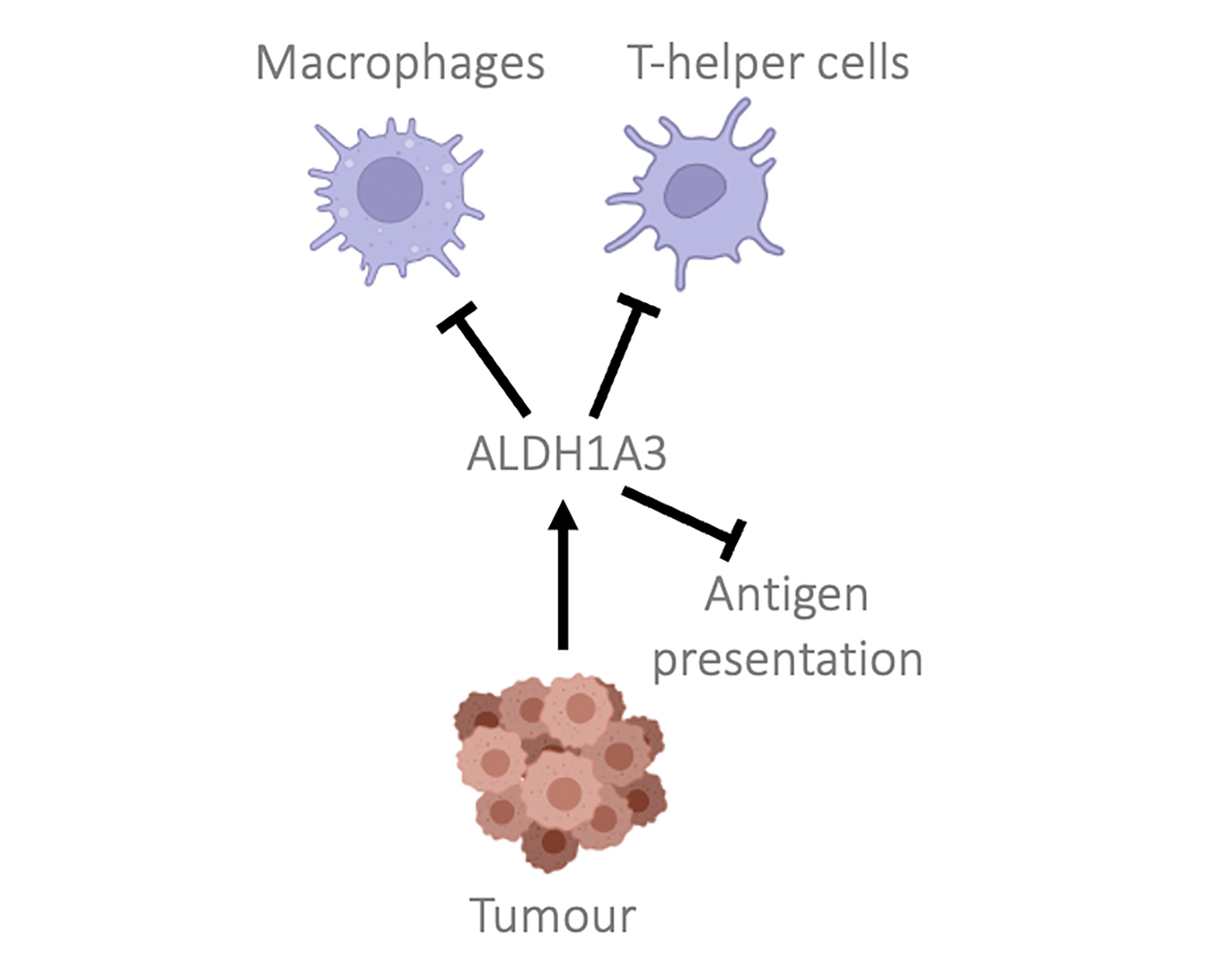
Key role in cancer immune evasion and resistance to immunotherapy
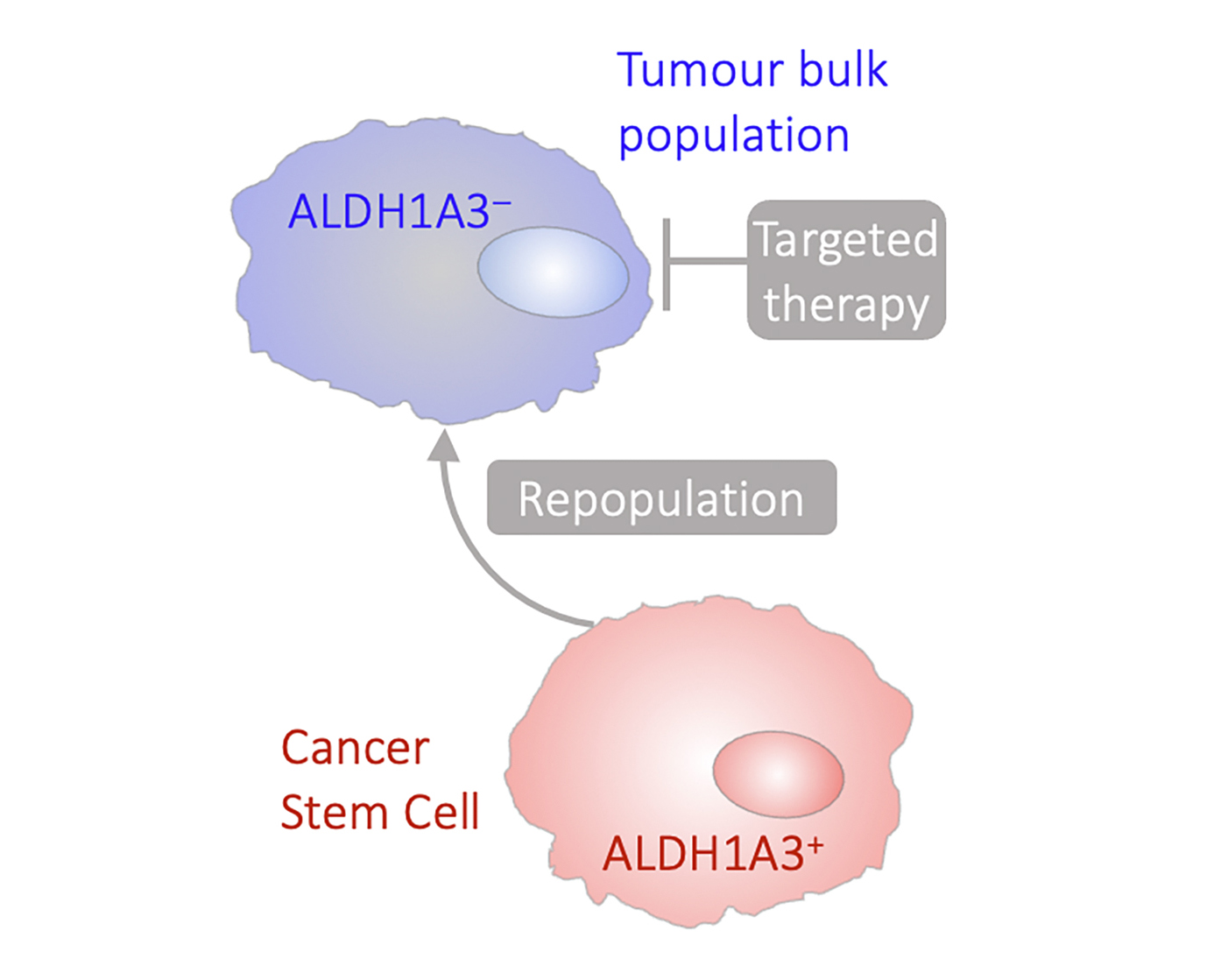
Highly expressed in cancer stem cells that drive resistance, recurrence and metastasis
Immuno-evasive tumour environment
Cancer stem cell-driven recurrence
Type II diabetes (T2D)
Click the images above to enlarge
Cardiology & Oncology
Protein Kinase N2 (PKN2) Inhibitors
Oncodrug is discovering selective, oral, first-in-class Protein Kinase N2 as a pioneering treatment in oncology to overcome resistance to targeted therapies, particularly RAS inhibitors, and in cardiology to prevent heart failure through the mitigation of myocardial fibrosis and hypertrophy.
PKN2
A novel target validated independently in the literature
Promotes cancer resistance
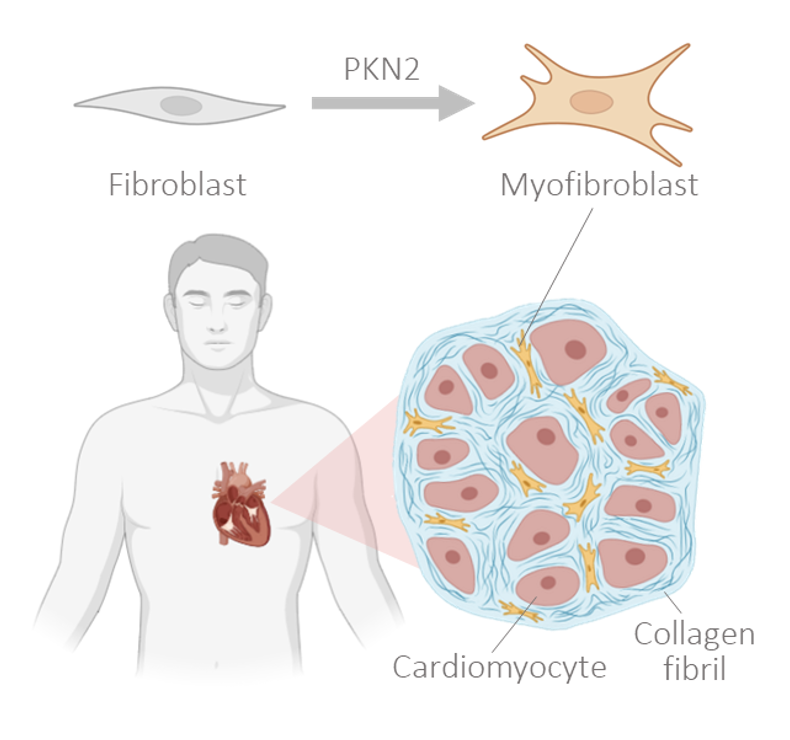
Promotes myocardial fibrosis and hypertrophy, major drivers of heart failure
PKN2 inhibitors treat heart failure through mitigating cardiac fibrosis1
Click the image above to enlarge
Ref 1) M. Takefuji et al, Nat. Commun. 2024, 15, 7638.
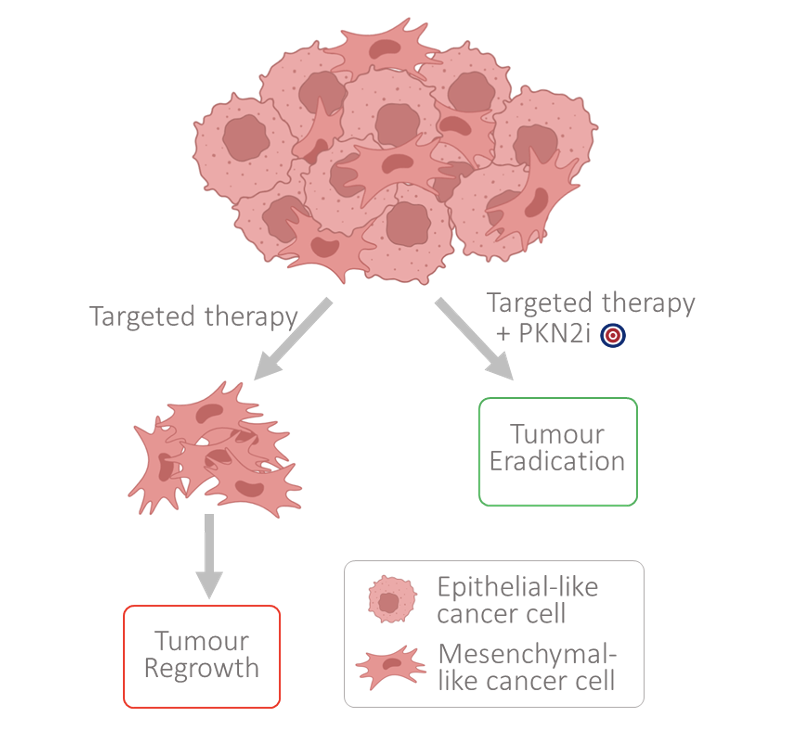
PKN2 inhibitors overcome KRAS and EGFR inhibitors drug resistance due to mesenchymal-like cancer cell transition2
Click the image above to enlarge
Ref 2) K. Wood et al, Cancer Discov. 2025, 15(3):595.
Oncology
Viral Immunotherapy (VI)
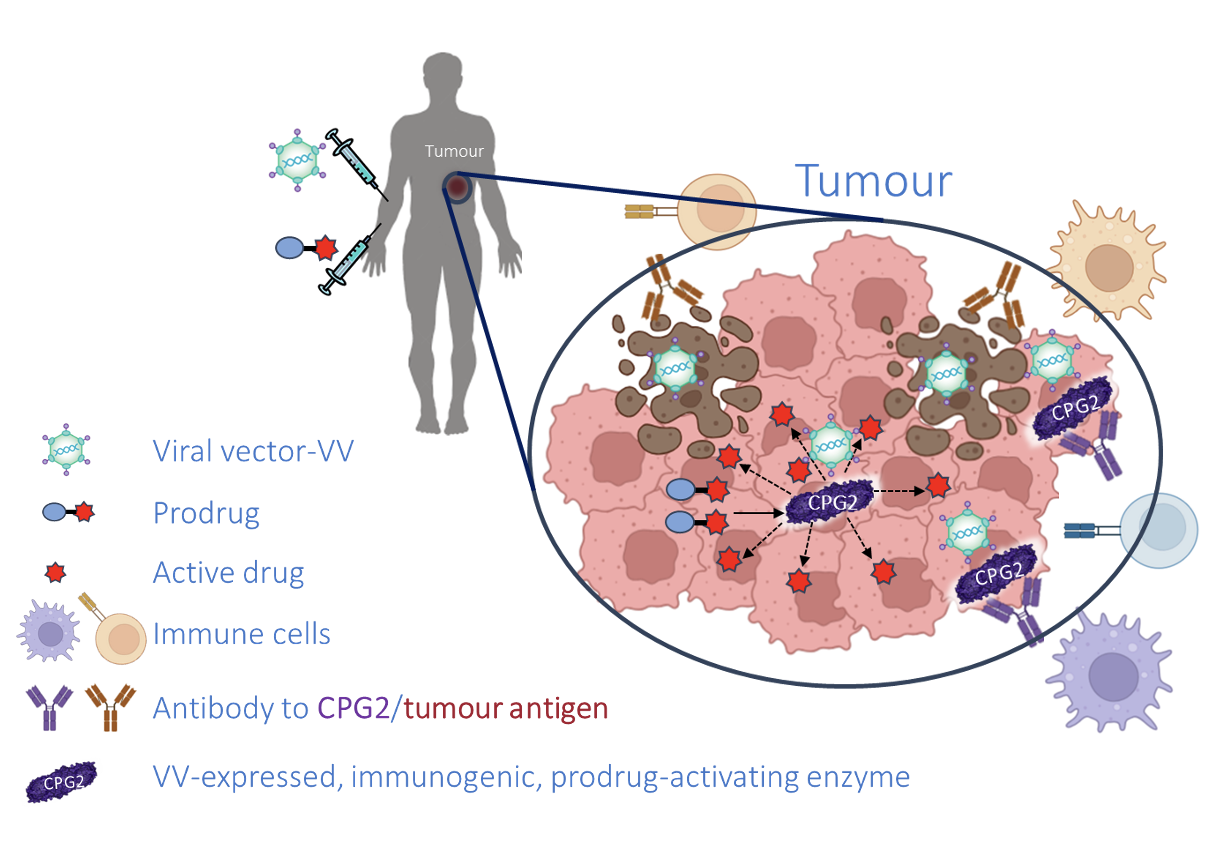
Oncodrug is discovering a novel tumour selective, oncolytic vaccinia virus (OVV) expressing an immunogenic enzyme (CPG2) able to activate a prodrug, for the treatment of a variety of solid tumours.
Our viral immunotherapy is deploying multiple mechanism of actions for enhanced tumour eradication:
Oncolytic virus replicates selectively in tumours and kill tumour cells
Cell killing by OVV releases antigens and stimulates antitumour immunity